




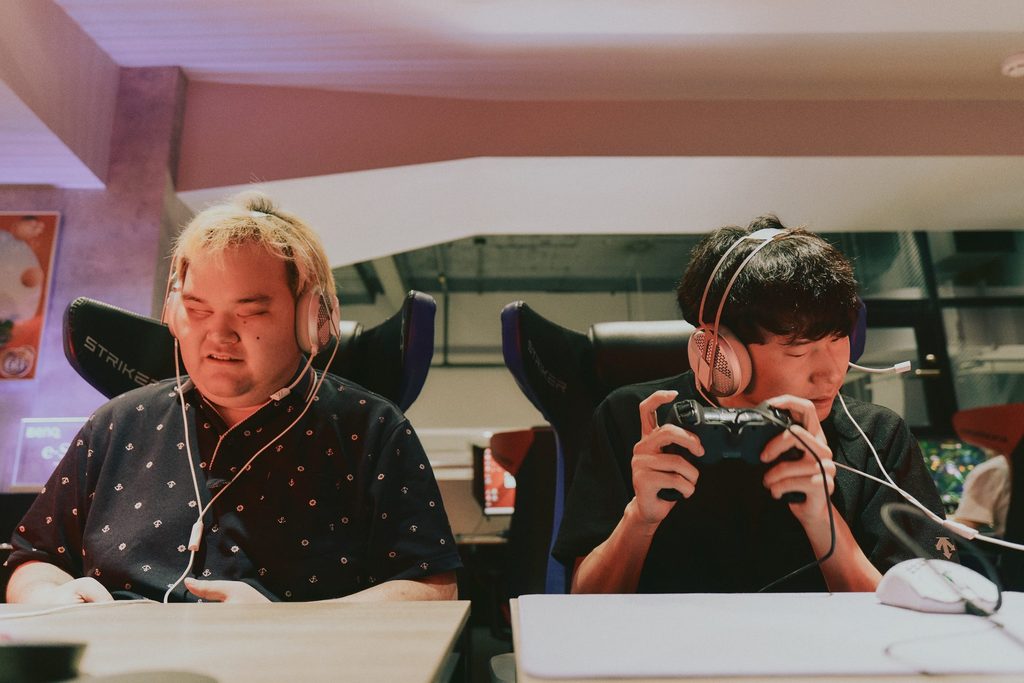
We are pleased to announce that on August 20, 2026, ChatGPT for Pros—a newsletter from the OpenAI Community team that showcases how experts use ChatGPT and Codex—published an article featuring NAOYA and Mashiro, two blind esports players from Blind Fortia.
The article, titled “Two blind e-gamers share their chats,” highlights how they use generative AI not only to access and interpret visual information, but also to make games more accessible and turn their ideas into tools that can benefit others.
| Publication | ChatGPT for Pros |
| Published by | OpenAI Community team |
| Article title | Two blind e-gamers share their chats |
| Publication date | August 20, 2026 |
| Featured individuals | NAOYA, Mashiro |
| Themes | Using ChatGPT and Codex to understand visual information, improve game accessibility, and develop accessible tools |
Two Blind Friends Share Eight of Their Chats
NAOYA and Mashiro first met in the dormitory of a school for students with visual impairments. They have remained close friends for more than a decade.
The article introduces eight real-world examples of how they have used ChatGPT and Codex.
NAOYA used Codex to analyze footage from a Street Fighter 6 match frame by frame, enabling him to identify a slight difference between when an in-game action appeared visually and when it could be recognized through sound.
He has also used ChatGPT and Codex to add read-aloud features to a game analysis tool and analyze gameplay logs to identify patterns in his performance.
Mashiro uses ChatGPT to assess whether the layouts of his documents are clear and easy for sighted readers to understand. He has also used it to organize a portfolio of his achievements and gather information for everyday activities, such as choosing accessible meeting locations and planning travel routes.
The article also introduces a Japanese-language, voice-enabled poker app designed to be accessible to blind beginners. Mashiro developed the concept, requirements, and interface, while NAOYA is responsible for building the app.
From “Waiting for Support” to “Building It Ourselves”
The article demonstrates that generative AI can do more than serve as a visual-assistance tool.
Rather than waiting for someone else to provide the accessibility features they need, NAOYA and Mashiro are using ChatGPT and Codex to create their own systems and tools.
People with disabilities can identify challenges based on their own lived experiences, develop solutions, and turn those solutions into tools that others can use. Through the work of NAOYA and Mashiro, the article illustrates how generative AI can expand opportunities for greater independence and creativity.
About NAOYA and Mashiro
NAOYA works across a wide range of fields as an esports player, narrator, voice actor, and engineer. Drawing on his programming knowledge and lived experience, he develops generative AI-powered tools and works to improve accessibility in gaming.
Mashiro is an esports player who was born blind. He has been involved in ePARA’s international public relations activities since his university years and is currently employed by a major corporation. Outside of work, he is active in a variety of creative and cultural fields, including facilitating art appreciation workshops, reviewing audio descriptions, producing radio dramas, and writing poetry.
More information about NAOYA and Mashiro is available on ePARA’s “The Unseen Beauty” project page.
Message from ePARA
We are delighted that the ways in which NAOYA and Mashiro use generative AI have been introduced to an international audience.
Their work demonstrates that generative AI has the potential not only to address challenges associated with disabilities, but also to transform the ideas and expertise of people with disabilities into tangible solutions that create new possibilities for society.
ePARA will continue working alongside people with disabilities at the intersection of esports, accessibility, and technology to unlock new opportunities.
We invite you to continue following ePARA and the future activities of NAOYA and Mashiro.